

Lorem ipsum dolor sit amet consectetur. In nec vulputate faucibus volutpat. Ac libero magnis leo a a. Viverra tincidunt.


Κανένα προϊόν στο καλάθι σας.

Lorem ipsum dolor sit amet consectetur.
Lorem ipsum dolor sit amet consectetur. In nec vulputate faucibus volutpat. Ac libero magnis leo a a. Viverra tincidunt.
Lorem ipsum dolor sit amet consectetur. In nec vulputate faucibus volutpat. Ac libero magnis leo a a. Viverra tincidunt. Lorem ipsum dolor sit amet consectetur. In nec vulputate faucibus volutpat. Ac libero magnis leo a a. Viverra tincidunt.
Yes. Lab-grown diamonds are real diamonds.
They are:
| Feature | Lab-Grown Diamond | Natural Diamond |
| Composition | Pure Carbon | Pure Carbon |
| Hardness | 10 (Mohs) | 10 (Mohs) |
| Brilliance | Excellent | Excellent |
| Formation | Laboratory | Naturally within the Earth |
| Age | Weeks to months | Billions of years |
| Price | Generally lower | Generally higher |
| Rarity | Manufactured | Naturally rare |
Exceptional Value Lab-grown diamonds typically cost 30%–60% less than comparable natural diamonds, allowing customers to choose a larger stone or higher quality within the same budget. Environmentally Conscious Choice Growing diamonds in laboratories avoids traditional diamond mining. However, the overall environmental impact depends on factors such as the energy source used during production. Outstanding Quality Lab-grown diamonds are available in a wide range of shapes, sizes, and quality grades, including colorless and high-clarity stones. Ethical Sourcing Lab-grown diamonds provide an alternative for customers who prefer a diamond produced without mining.
Just like natural diamonds, lab-grown diamonds can be independently graded and certified by leading gemological laboratories. A grading report verifies the diamond’s Cut, Color, Clarity, Carat Weight, proportions, and other characteristics.
Do lab-grown diamonds sparkle like natural diamonds? Yes. Because they have the same crystal structure and optical properties, lab-grown diamonds display the same brilliance, fire, and scintillation as natural diamonds. Can jewelers tell the difference? Not by visual inspection alone. Specialized gemological instruments are required to distinguish most lab-grown diamonds from natural diamonds. Are lab-grown diamonds durable? Absolutely. Lab-grown diamonds have the same hardness and durability as natural diamonds, making them suitable for everyday wear, including engagement rings. Are lab-grown diamonds a good choice? Lab-grown diamonds are an excellent option for customers seeking the beauty and durability of a real diamond at a more accessible price. Others may prefer the rarity and geological history of a natural diamond. The best choice depends on personal preferences, values, and budget.
Whether you choose a natural or lab-grown diamond, both offer exceptional beauty, brilliance, and durability. Understanding the differences allows you to select the diamond that best reflects your style, priorities, and budget. A certified diamond with excellent cut quality will provide lasting sparkle and enjoyment for years to come.
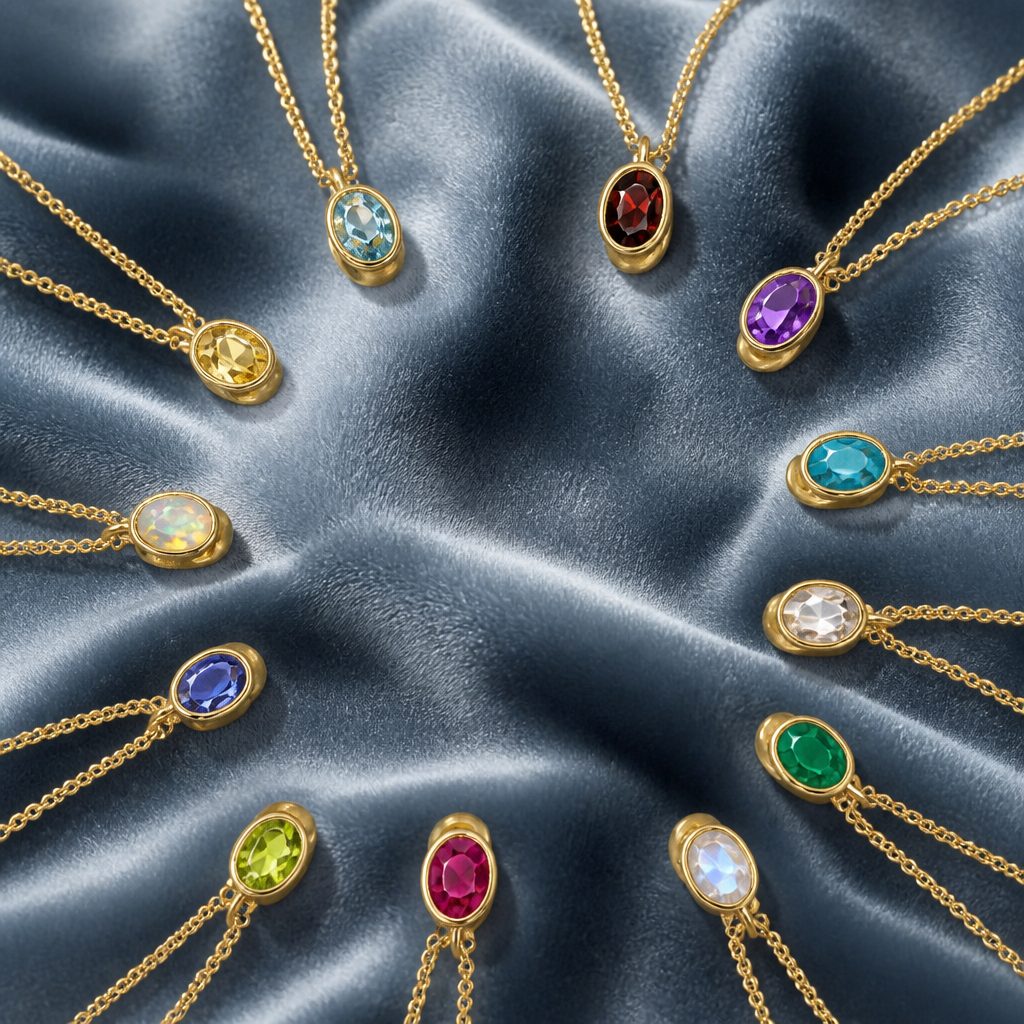
For thousands of years, gemstones have captivated people with their extraordinary beauty, rarity, and symbolism. Formed deep within the Earth over millions of years, each gemstone possesses its own unique colour, character, and story. Whether chosen for a special occasion, a meaningful gift, or simply because it catches your eye, every gemstone carries a timeless charm. Throughout history, many cultures have also associated gemstones with qualities such as love, wisdom, courage, prosperity, and protection. While these meanings are rooted in tradition and folklore rather than scientific evidence, they continue to inspire jewellery lovers around the world. At Dion Jewellery, we carefully select beautiful natural gemstones to create pieces that celebrate elegance, individuality, and lasting craftsmanship.
Birthstone: April Meaning: Eternal love, strength, purity and commitment. Diamonds are the hardest natural material on Earth, making them a symbol of everlasting love and resilience. Their exceptional brilliance has made them the world’s most treasured gemstone for engagement rings and fine jewellery.
Birthstone: September Meaning: Wisdom, loyalty, truth and protection. Most famous for its deep royal blue colour, sapphire is also found in pink, yellow, green, white and many other shades. It has long been associated with royalty and sincerity.
Birthstone: May Meaning: Love, hope, renewal and prosperity. Emerald’s rich green colour has fascinated civilizations for thousands of years. It is traditionally believed to represent growth, harmony and successful relationships.
Birthstone: July Meaning: Passion, courage, vitality and love. Known as the “King of Gemstones,” ruby has symbolised power and passion throughout history. Its vibrant red colour makes it one of the world’s most valuable gemstones.
Birthstone: February Meaning: Peace, balance, clarity and inner strength. With its beautiful violet colour, amethyst has long been associated with calmness and emotional balance. It remains one of the most popular gemstones for everyday jewellery.
Birthstone: March Meaning: Serenity, courage and harmony. Named after the Latin words for “sea water,” aquamarine’s refreshing blue colour evokes the calmness of the ocean.
Birthstone: November Meaning: Joy, confidence, abundance and friendship. Topaz occurs in many colours, including blue, pink and golden yellow. It is traditionally associated with positive energy and success.
Meaning: Happiness, optimism, prosperity and creativity. Its warm golden colour makes citrine a favourite gemstone for those seeking brightness and positivity.
Birthstone: August Meaning: Good fortune, confidence and renewal. Peridot’s vibrant green colour has earned it the nickname “Gem of the Sun” and has been admired since ancient Egypt.
Birthstone: January Meaning: Protection, friendship, loyalty and energy. Although best known for its deep red colour, garnet is available in many beautiful colours.
Birthstone: December Meaning: Transformation, intuition and new beginnings. Found only in Tanzania, tanzanite is one of the world’s rarest gemstones, admired for its striking blue-violet colour.
Birthstone: October (shared) Meaning: Inspiration, creativity, protection and compassion. Tourmaline is available in an incredible range of colours—from vivid pinks and greens to bi-colour “watermelon” varieties—making every stone unique.
Birthstone: October Meaning: Imagination, hope and creativity. Each opal displays a unique play of colour, making every gemstone completely one of a kind.
Birthstone: June Meaning: Purity, elegance, wisdom and sincerity. Unlike other gemstones, pearls are created naturally by oysters and are treasured for their timeless beauty and soft lustre
Meaning: Compassion, romance and unconditional love. Its delicate blush-pink colour has made morganite a modern favourite for engagement rings and fine jewellery.

Sunny days are wonderful but less kind to your jewellery. Sunscreen, natural oils, chlorine, and seawater leave behind a film that clings to metal and gemstones. Sand can wedge itself into clasps and settings, slowly causing damage. Even sweat and humidity can accelerate tarnish — particularly on silver.
Typical Summer Risks for Jewellery:
Different materials need slightly different cleaning routines to preserve their shine.
Diamonds & Durable Gemstones
Before Cleaning: Inspect the piece for loose prongs or damage. If anything looks wrong, don’t clean — take it to a jeweller.
You’ll Need:
Steps:
Care Tips:
Gold & Gold Vermeil
(Need a deeper guide for specific metals and gemstones? Discover more tips for gold, platinum, silver, diamonds, and pearls here.)
For stubborn tarnish, soak in one part ammonia to six parts water for under a minute. Rinse and dry thoroughly. (Avoid if your piece contains delicate gemstones.)
Silver Jewellery
Pearls & Softer Gemstones
Platinum Jewellery
Platinum is a durable, long-lasting choice for jewellery, but it can still lose its shine from daily wear. Over time, platinum develops a natural patina — a soft, aged look that many find beautiful. This isn’t dirt, but you can still clean away grime to refresh its appearance.
Before You Start: Always inspect your jewellery. If stones feel loose or settings look weak, skip at-home cleaning and take it to a professional jeweller.
You’ll Need:
Steps:
How Often to Clean: If worn daily, clean once a week. Otherwise, once a month is fine — or whenever you notice it looking dull.
Care Tips:
How to Prevent Tarnish
It’s easier to avoid tarnish than to remove it later:
Good storage habits protect jewellery from wear, tarnish, and loss.
Best Practices:
From beach trips to festivals, travel exposes jewellery to sand, sweat, and water. Take extra care to avoid damage.
Travel Tips:
Do:
Don’t: